AI-extracted context
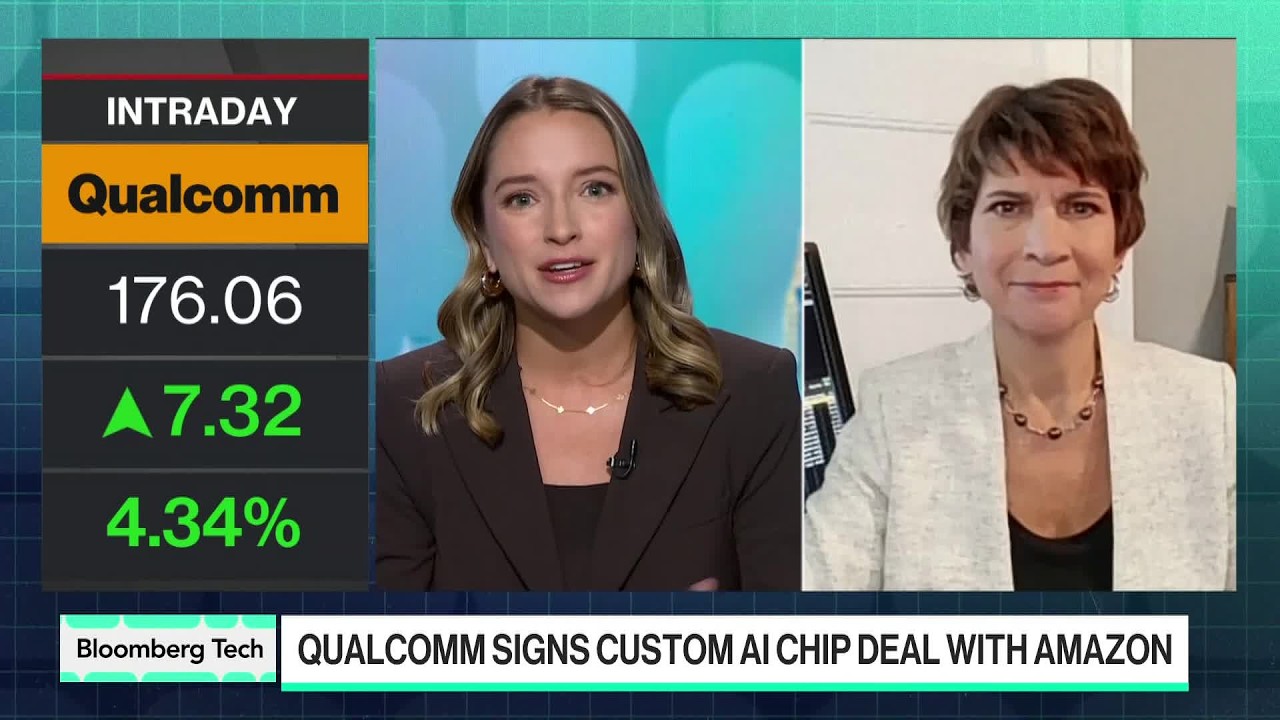
“By contrast, the market itself, we believe, is growing so quickly that all of these players, at least the ones that, you know, we like Broadcom, NVIDIA, AMD, and and then the users like Amazon, Microsoft, Google, etcetera, we think they're playing into a very quickly growing market.”
AI-extracted context
“By contrast, the market itself, we believe, is growing so quickly that all of these players, at least the ones that, you know, we like Broadcom, NVIDIA, AMD, and and then the users like Amazon, Microsoft, Google, etcetera, we think they're playing into a very quickly growing market.”
AI-extracted context
“By contrast, the market itself, we believe, is growing so quickly that all of these players, at least the ones that, you know, we like Broadcom, NVIDIA, AMD, and and then the users like Amazon, Microsoft, Google, etcetera, we think they're playing into a very quickly growing market.”
Full Transcript
JoAnne, there's been a lot of concern about
circular financing amid this AI boom. Is this kind of deal gonna raise those concerns as
well? I I Riley, I think we're gonna see,
always that conversation pop up. Whenever you see cross investments by companies, by buyers, and their
customers, and their suppliers. So our view is that circular financing is really sort of an
alternative way for companies to become more vertically integrated, to have more control over the inputs,
the technology that they need to use to build out their capacity in the future. And
this is another example of that. Investors still have the opportunity to diversify risk and pick
the areas in which they wanna have most exposure. But these kinds of deals sort of
combine, the types of exposure an investor will get now with with Amazon because now owning
Amazon means you're gonna own a little bit of Qualcomm. But but it's a really innovative
idea for solving what is a complex financial markets problem, which is the limitations on borrowing,
the different capacities of balance sheets by these companies, and it also creates long term contracts.
And it gives, Amazon more skin in the game at the Qualcomm level, which gives Qualcomm
the confidence to be able to build up this capability and to take the risk of
creating big design teams and putting the resources into that. So it's a really effective way
of sharing that kind of risk, and it means that innovation likely happens much more quickly
than it would otherwise occur. And, JoAnne, what does Amazon get out of
working with Qualcomm that it couldn't achieve itself? It's a behemoth, a company that is closely
followed by anybody watching the tech sector, but what is it getting here? So it it gets another supplier. It gets
another, designer, co designer for chips. It gets more supply on the connectivity side and ultimately
on the AI inference side. It's already working with Marvell, and perhaps that, you know, one
partnership, could have been seen as too risky. And so they get to diversify, which gives
them better pricing power down the line for acquiring these chips. And it also gives them
more, protection against NVIDIA's price levels, which, you know, ultimately probably soften a little bit with
with this increasing competition among the chip designers. You know, Broadcom is another player here that
Amazon, you know, doesn't currently work with, but it is a way for Amazon to diversify
and to get multiple sources for these chips in the future. I'm glad you mentioned NVIDIA. Does this deal
suggest that concentration around that company is softening as well? Yeah. We should expect it to, Riley, which
really doesn't diminish the attractiveness of NVIDIA as an investment. It is one of our, holdings,
across a few of our different strategies. We've known it for a long time. The the
thing to think about is the size of the market, how much that is growing versus
market share. You know, NVIDIA has been dominant. They've had massive and dominant market share, and
we should expect that market share to fall as more players come in. But that doesn't,
you know, mean that NVIDIA is doomed here. By contrast, the market itself, we believe, is
growing so quickly that all of these players, at least the ones that, you know, we
like Broadcom, NVIDIA, AMD, and and then the users like Amazon, Microsoft, Google, etcetera, we think
they're playing into a very quickly growing market. We we see the revenues coming up at
places like Anthropic and OpenAI, you know, at least the information we can get out of
them, which suggests that this AI infrastructure build and deployment of applications remains a really, you
know, powerful growth opportunity for investors with a a long term horizon. Amid this AI infrastructure boom, we've recently received
new jobs numbers. I wonder when you look at that data, what are you seeing about
the data center build out? Yeah. So, you know, what we're seeing there
is a few different things. One is obviously a very strong jobs report. There was some
softness in some areas of infotech job creation and real strength in other areas, and that
should be expected. Right now, we're seeing labor being drawn into data center construction. There's always
been the question of, you know, will AI ultimately, you know, reduce job opportunities in some
places in the economy? There were some some evidence of that, but there was an economist
article out over the weekend that suggested that the, you know, AI space is is not
leading to massive job destruction. So right now, the AI data center build, the infrastructure build
is creating a lot of job opportunities in a war in a country where labor is
actually in short supply in that area. So it's a tricky situation. We've seen those fees
on the h one b visas actually constraining applications, and that's actually the kind of labor
we need more of in this country. So we'll see how the industry deals with that
labor shortage. That could be a real concern for investors to be watching going forward. When you think about the labor shortage, there's
also the workers who are physically building this footprint across The United States. Is there enough
labor to support the physical build out? You know, Ronnie, that's exactly the right area
to point at, and that's where we may have real shortages. I mean, immigrant labor, we
know, is a big part of the construction industry, both housing and commercial, builds. We know
it's big part of travel and leisure industry. And and so those shortages, I think, will
will be constraining. I've talked to folks who report that they can't get enough roofers to
build all the houses they want, and so they've had to cut their housing building plans
back by half this year. This is a a a client down in Texas, for example.
So, you know, we are starting to see that. I think it is constraining the housing
industry, and I think that the construction workers are being pulled into the data center builds,
and it's hurting actually other parts of the economy. So so far, they're able to pay
up to get the construction labor that they need, but it's certainly something that we need
to keep keep, top of mind.

Comments 0
Sign in to join the discussion.
Sign inNo comments yet. Be the first to share your thoughts!