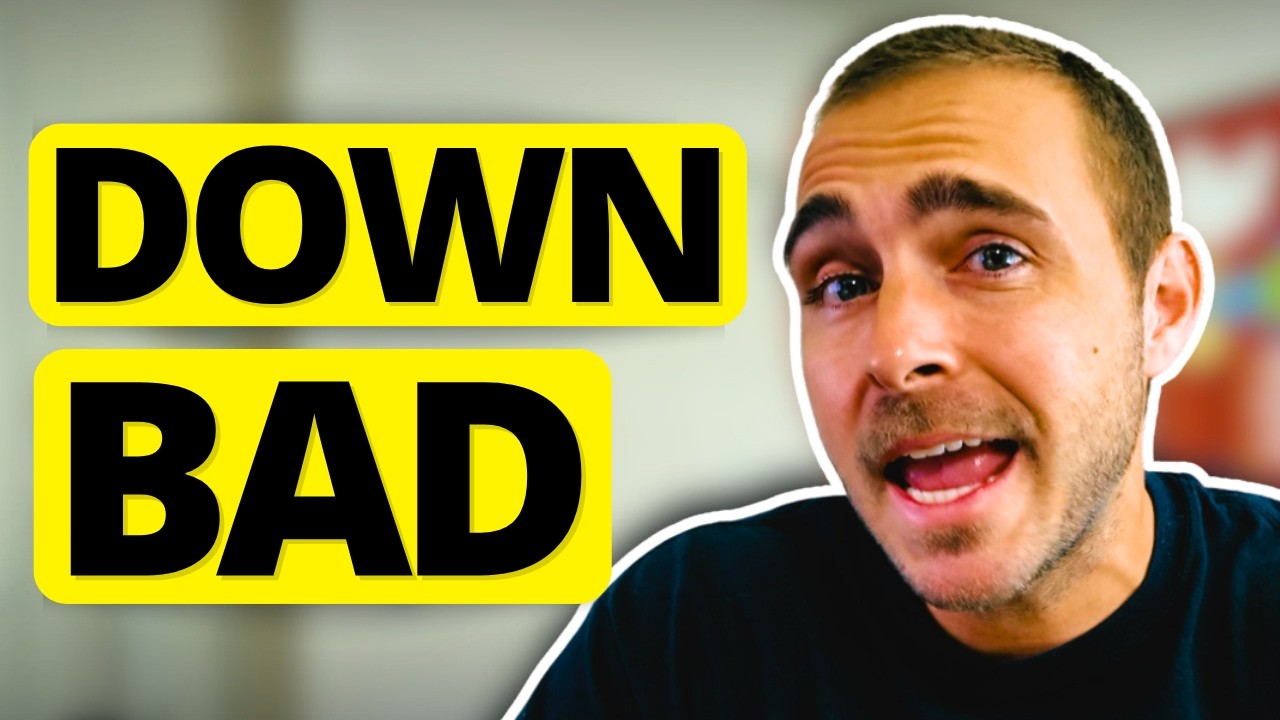
My Dividend Portfolio Is Getting CRUSHED - What I’m Buying 💰

- Video return
- —
- Calls
- 1
- Buy / Sell
- 1 0
- Published
Recommendations
Entry is the asset's closing price on the publication date. Current is the last close on record.
-
Entry $75.65 12 Oct 2026Current $75.65 12 Oct 2026Result +$0.00vs. index −0.1% SPY +0.1% over the same days
Cite this call Watch source segment (618s) *
Surrounding source transcript
…ere you can see their estimated fair values and check out Value Edge for yourself. And if you decide to upgrade from there, those links will also get you 10% off your subscription. Anyway, moving on. Stock number two is going to be Zoetas. I recently started dollar cost averaging into this one again sometime in the past month after taking a break from it. But Zoet's share price, as a lot of you guys know, has just not been able to catch a break. It is up a little bit in the past month. month, it looks like it's up about 2.7%. So, that's good to see. But, it is still down. Over the past 3 mo…
I recently started dollar cost averaging into this one again sometime in the past month after taking a break from it.
AI-extracted context Stock number two is going to be Zoetas. I recently started dollar cost averaging into this one again sometime in the past month after taking a break from it. But Zoet's share price, as a lot of you guys know, has just not been able to catch a break. It is up a little bit in the past month. month, it looks like it's up about 2.7%. So, that's good to see.
Full Transcript
So guys, it's a tough time to be a dividend investor right now. I don't really know how else to say it. Over the past month, many of the great dividend paying companies have just been getting crushed. We have stocks like Starbucks down about 8%, Realy Income down over 11%, and Bank of America down 13%. And honestly, that's just the tip of the iceberg. I could keep naming names all day. Now, as a dividend investor myself, I'll be honest, this is not an easy thing to sit through. When the share price of a stock you own goes down, it feels like you're literally losing money. And when that's happening to a whole bunch of stocks in your portfolio at the same time, it doesn't feel good. Like many of you out there, I'm sure this trend has definitely been impacting my portfolio, which we'll look at in just a moment. But with that, I also want to share how I'm thinking about the current state of the market, the three stocks that I'm actively buying the dip on right now, and ultimately why this sell off in dividend stocks might actually end up being a blessing in disguise for long-term dividend investors, even though it doesn't feel like it. Now, with that said, in my case, guys, as you can see over here on Snowball Analytics, it really hasn't been a great stretch for my portfolio lately, with the exception of October, which it's actually been a pretty decent month so far. But prior to this, the past 3 months in a row, my portfolio value was going down and did so in a big way in September. I was down 5%. And when we look at the performance of my individual holdings over the past 3 months, you can see that the vast majority of them are in the red. I think out of the 19 or 20 individual positions I have, 13 of them are down in the past 3 months, a lot of them in a big way. WP Carry down about 9%, Snap-On 9.5%. And all of these down over double digits. And as we can see up here, that's taken my portfolio value to a recent high of about $149,000 back at the end of August to a recent low of about 141,000. Now, having said that, one thing I want to point out here, and I talked about this in a recent video, is that this poor performance isn't something that's unique to my portfolio, or really even to dividend stocks in general. In fact, if we look at the performance of SHD from the start of September until now, we can see that it's been experiencing a very similar trend over the past month or so. It's down about 4.2%. And dividend stocks aside, looking at the broader market, you might still be under the impression that things are going pretty well. And depending on which part of the market you're looking at, that could be true. For example, if we look at VO, which tracks the market weighted S&P 500, we can see that its performance has been much better than my portfolio over the past month or from the start of September until now, it's up about 1.2% compared to my portfolio's 3.4% draw down. But here's the thing. Just because VO has been performing well still, that doesn't necessarily mean that's true for all of the stocks in the S&P. And that's because the S&P 500 is heavily weighted toward a relatively small number of very large companies, many of which are in the technology sector. And with AI still front and center, a lot of these companies have continued to do really well, which can make the overall market look a lot stronger than it actually is, even while a ton of these other stocks are struggling. We can get a much better picture of that by looking at RSP, which is going to be this purple line on the chart here. RSP is another S&P 500 ETF that tracks the same exact 500 companies as VO, but instead of weighting them based on their market caps, it gives each company an equal waiting. And as you can see, when all of the holdings are on an equal footing, the performance of the S&P 500 looks a lot different. In fact, it's been much closer to what we've been seeing in my own portfolio. So, I think that's important context here. And what that really shows is that this weakness extends far beyond just my portfolio or dividend stocks in general. But that still leaves us with the question of why are so many of these stocks struggling in the first place? What the heck is going on? Well, I think there's a few different things happening here, and we've talked about this before, but I think one of the biggest headwinds for stocks right now is going to be interest rates. When interest rates are moving higher, like they have been lately, investors can earn attractive returns from things like treasury bonds without being exposed to the same risks that come with owning stocks. And when you can earn a relatively attractive yield from a Treasury bond, which is at about 5 and a/4% right now for the 10-year bond, that can make dividend paying stocks less interesting by comparison, which naturally can have a negative impact on share prices. There's another component to this as well, though, because higher interest rates can also potentially have a negative impact on the underlying businesses themselves. For example, companies that rely on borrowing money to grow, like real estate investment trusts are a great example. They're expected to have to pay more in interest when rates go up, which can have a negative impact on their profits. And when you combine that with other things that we've been dealing with lately, like inflation and higher energy prices, it creates a lot of headwinds for companies all across the board. And I think these are some of the big reasons why we've been seeing so many share prices coming down lately. Now, having said all of that, I want to share something that I came across recently because I think it offers a pretty good perspective on what's been happening with share prices. As you may know, I've been on a mission to read all of Warren Buffett's letters to Bergkshire Hathaway shareholders. They're all published online for free on the Berkshire website, and I've actually been sharing my notes and key takeaways from each one over on my website, which I'll link to down below. Now, while I've learned a lot about investing and business from reading these letters, I've also learned something else since starting this project, and that's that the investing gods somehow have a way of delivering the exact quote I need exactly when I need it. In Warren's 2011 letter to shareholders, which I read last week, there's this great quote that I think touches on how we should be thinking about share prices right now. He writes, "The logic is simple. If you are going to be a net buyer of stocks in the future, either directly with your own money or indirectly through your ownership of a company that is repurchasing shares, you are hurt when stocks rise. You benefit when stocks swoon. Emotions, however, to often complicate the matter. Most people, including those who will be net buyers in the future, take comfort in seeing stock prices advance. These shareholders resemble a commuter who rejoices after the price of gas increases simply because his tank contains a day supply. Now, think about it this way. If you were buying a t-shirt, groceries, or gas, which we've especially been feeling lately, you would obviously be happy to spend less money to buy that same exact thing. But this is one of the counterintuitive things about investing because when share prices go down, that same rule of thumb doesn't seem to apply. Instead of being happy that the stocks we own and would like to own more of are cheaper to buy, we typically feel upset or even concerned. And to some extent, I think that reaction makes sense because I think a lot of investors use the value of their portfolios as a way of measuring progress. When that number goes up, it feels like you're moving closer to financial freedom. And when it goes down, it feels like you're moving backward. But like Warren says, if you're going to be a net buyer of stocks in the future, which I would imagine that most dividend investors who are still building their portfolios will be, then you should be happy when share prices go down. A lower share price allows you to buy more shares for the same amount of money while also getting a higher cash flow return on the shares you buy, assuming the dividend remains intact, obviously. And if those companies continue growing their earnings and their dividends over time, that can make a pretty significant difference to your long-term performance. With that said though, in reality, knowing that logically doesn't make it any easier to bear emotionally. When a stock drops below the price you paid for it, it's hard not to feel like you made a bad decision buying when you did. I definitely have some recent experience with this one. But this speaks to one of the most difficult things about investing, and that's overcoming yourself and your own innate human quirks. In your head, you might know that lower share prices can be beneficial to you as a long-term buyer, but in your stomach, you feel the opposite. And I think learning to deal with that contradiction is a big part of becoming a better investor. Now, obviously, all of this assumes that the businesses that you're buying the dip on are actually worth buying in the first place. And that's where the quality of those businesses become so important. Personally speaking, a lot of the companies in my portfolio have been around for decades. They've been through difficult periods before. You know, things like recessions, high inflation, and rising interest rates, and they've managed to survive and continue growing over time. Many of them have even continued growing their dividends through these periods. Now, that doesn't mean they're completely immune to what's happening today, but I do think they're well positioned to work through these challenges and continue paying and hopefully growing their dividends along the way. And in the meantime, with share prices down as much as they are, I'm seeing so many great buying opportunities in my portfolio right now, which makes it difficult. But with that said, out of the bunch, there are only three that I'm actively adding to right now. The first of which, guys, is obviously Rollins. A lot of you know that I've been dollar cost averaging into this one for quite a few months now. Now, if we zoom out on this chart, I started my position back in June, and we can see just based on the little bubbles here on the chart. I've been adding to it practically every single week since starting the position, averaging all the way down. With that said, looking at Rollins share price performance, it's down a whole lot in the past month. It's down about 7.5%, which is going to leave it down almost 30% just in the past 3 months. Boy, did I time that one right. And if we look at the year-to- date performance, it's even worse. The stock is down about 47% here in 2026. With that said though, I think that despite what's been going on with the share price lately, society's need for pest control hasn't changed at all, and I don't expect it will anytime soon. And so, I'm happy to be picking up more shares, and I'm happy to be adding more to this position. On that note, taking a look at my position, I have 121.36 shares at an average cost of $4242. And this was a lot higher when I started the position. It was about 49 12 bucks. So, just from dollar cost averaging, we've really been able to bring that down. But still, we have quite a ways to go. All time, I'm down about 25%. But fortunately, Rollins is such a small position in my portfolio, about 3.6%, that I have plenty of room to continue adding more shares and bringing this average cost down even more. And at this point in time, I mean, this might change, but right now, my goal is to get it to around 180 to 200 shares before I consider hitting the pause button. I think that's a pretty decent sized position. And being able to still buy so many shares from here should help me get that average cost down hopefully below 40 into the 30s, which is a great spot to be. And based on Rollins fair value over here from Value Edge, my current cost basis with Rollins still looks to be quite a bit under the fair value, which they have at $47.71. And if you've never used Value Edge before, they basically look at a company's financials, how much it's expected to grow in the future, and what investors have historically been willing to pay for it to come up with an estimate of what the shares are actually worth. And based on that, Rollins is still about 33% below their estimated fair value, which means there could still be quite a bit of upside left in the share price from here. With that said, if you want to check this out for yourself, I'll leave links to all three of the stocks that we're talking about today down in the description and in the pin comment where you can see their estimated fair values and check out Value Edge for yourself. And if you decide to upgrade from there, those links will also get you 10% off your subscription. Anyway, moving on. Stock number two is going to be Zoetas. I recently started dollar cost averaging into this one again sometime in the past month after taking a break from it. But Zoet's share price, as a lot of you guys know, has just not been able to catch a break. It is up a little bit in the past month. month, it looks like it's up about 2.7%. So, that's good to see. But, it is still down. Over the past 3 months, it's down about 1% and year to date, it is still just getting crushed. It's still down 40 1.5%. With that said, scrolling down, looking at my Zoeta's position, I have almost 80 shares at an average cost of 13764. This is easily the worst performing position in my portfolio. I'm down about 46%. So, plenty of room to average down and bring this cost per share even lower. And I'll probably get it to maybe around 90 or 100 shares before I decide to cool it on the dollar cost averaging because it's already about five and a half% of my portfolio. I don't want it to become too overweight. But I think just getting it to, you know, 90 to 100 shares, I could get my average cost down below $130 or possibly even below 12. Now, Value Edge gives Zoetas a fair value of $18,948, which is way way above the current share price of about $74. That means that Zoetus is still about 61% below this fair value. So based on this, there is still so much upside left in the share price, 155%, which is crazy. Anyway, now moving on to stock number three. This is one that I don't get to talk about all too often, but this is Lowe's. For the first time in a long time, I am adding more to my Lowe's position. And it looks like the last time that I actively added any more shares outside of my dividends being reinvested was about 3 years ago back at the end of October 2023 when the share price was actually pretty similar to where it's at now. The last time I picked up shares it was at about $1875. And if we scroll all the way up to the top, it's a little bit below that. With that said, if we scroll down, looking at the share price performance, it's been a tough goaround for Lowe's. In the past 30 days, the stock is down 5.4% 4% which is going to leave it down about 12% over the past 3 months. And in this time, we've seen the share price go from a peak of about $223 per share to a low of about $179 per share. And if we zoom out once more year-to- date, Lowe's is down even more. The stock is down about 23%. It peaked at almost $290 per share. It's pretty wild. With that said, as far as my position goes, I have 16.9 shares of Lowe's at an average cost just below $195 per share. And as you can see, this is such a small position in my portfolio. It's not even 3%. I have so much room to add to Lowe's right now. I could even double my position from here, and it still won't be too overweight in the portfolio. Hopefully, I get the chance to as well. I think Lowe's is a great business, and I'm happy to finally be able to add more to it. But anyway, guys, those are the three dividend stocks that I've been buying lately. And while I think there are so many great opportunities right now, ultimately, my goal is to own businesses that I can hold on to for decades. With that said, there are actually three businesses in my portfolio that I have no intention of ever selling. And if you want to find out what those are, then check out this next video right over here. In this one, I'm breaking down what makes these businesses so special, why I think they have such an important place in society, and why I plan on owning them for the rest of my life. So, click right over here to learn about those.
Comments 0
Sign in to join the discussion.
Sign inNo comments yet. Be the first to share your thoughts!